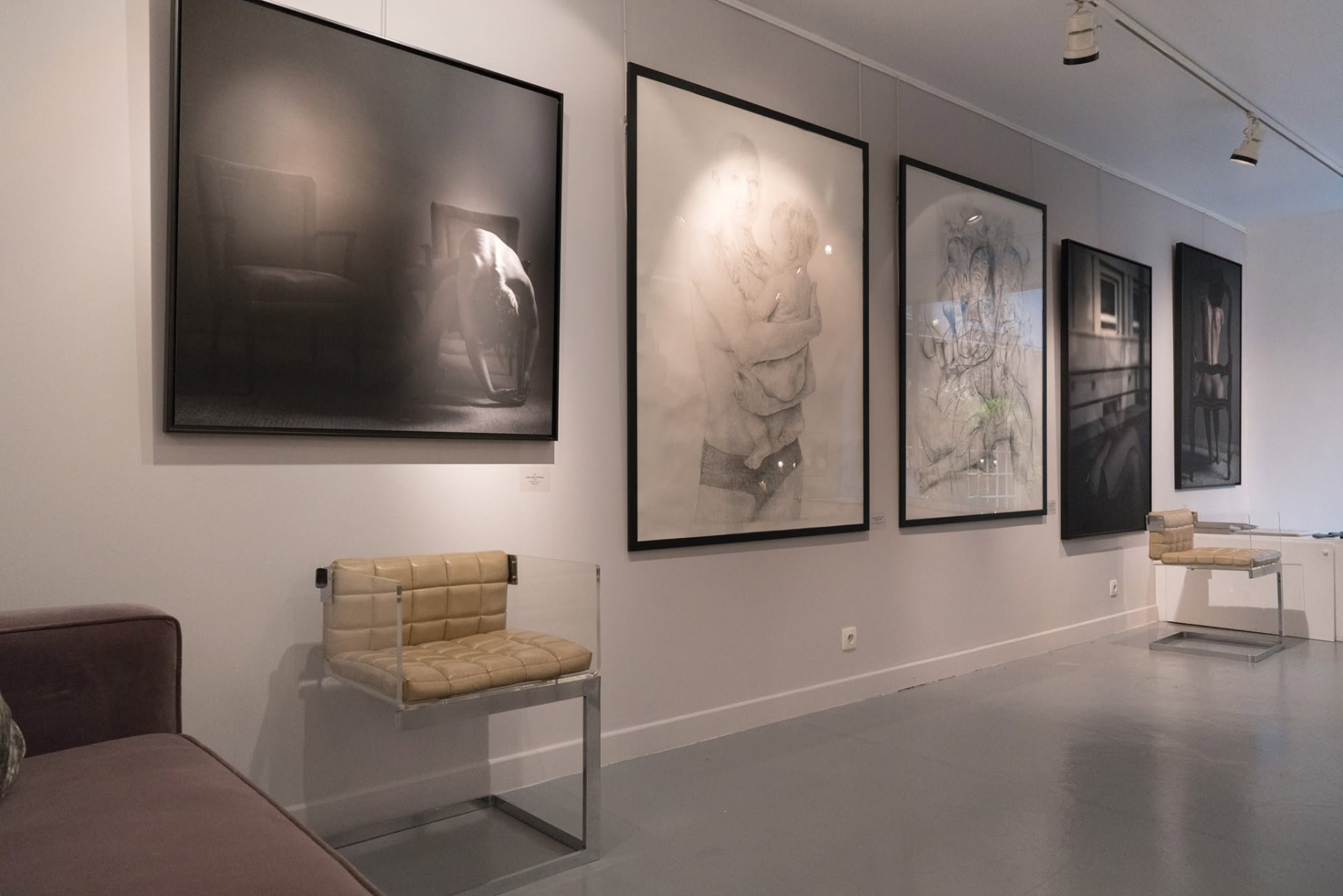
 La Maison de la Plage — Paris2016READ MORE ↗
ART / CULTURAL PROJECT
La Maison de la Plage
An independent space for art, design and cultural encounters.
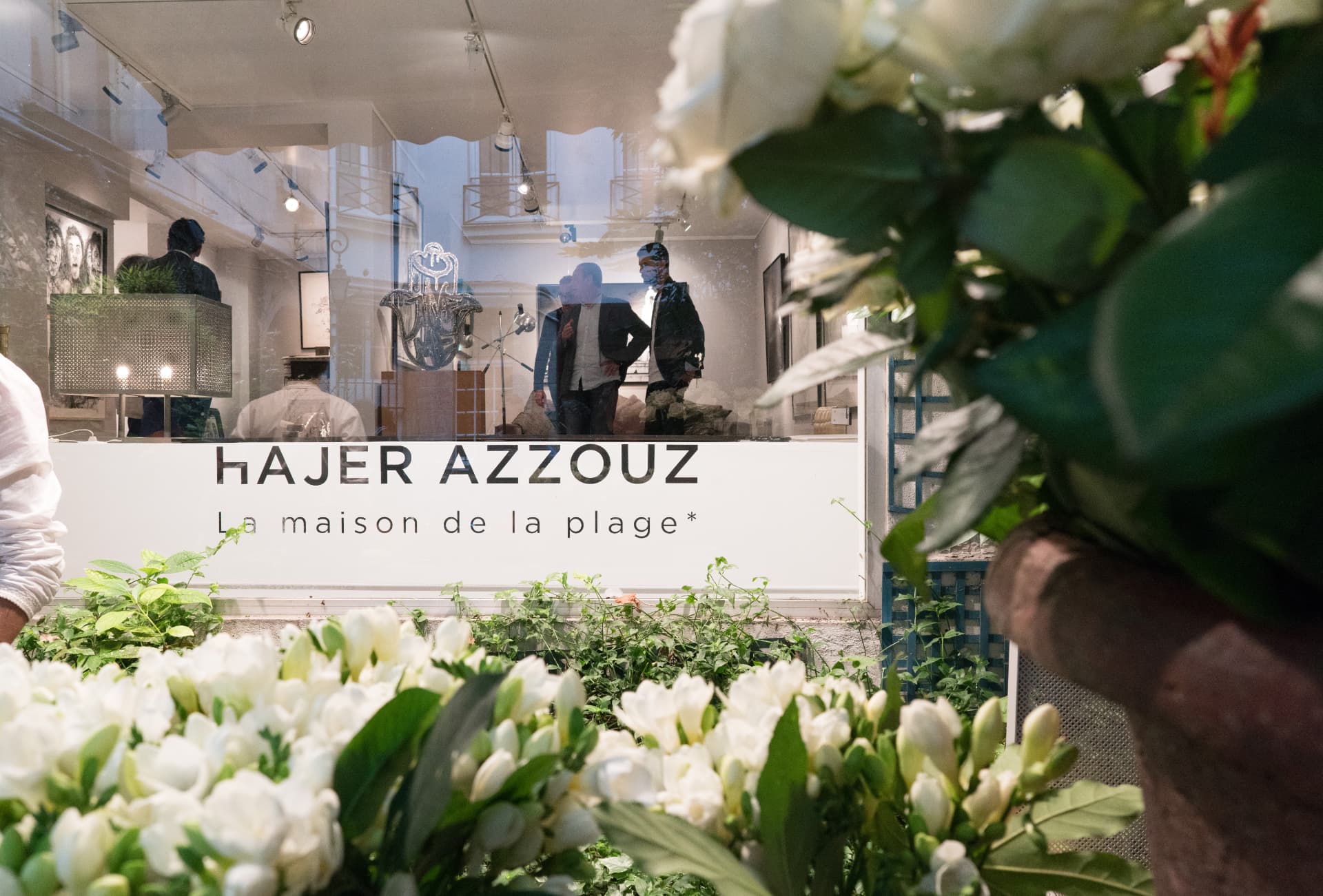
Originally home to HAD Studio, Hajer Azzouz's interior design practice, La Maison de la Plage evolved into a multidisciplinary cultural space in Tunis. Part design studio, part gallery, part creative laboratory, it brought together artists, designers, architects, collectors, travellers and cultural figures in an environment dedicated to exchange and experimentation.
01 / THE HOUSE
A place for creative exchange.
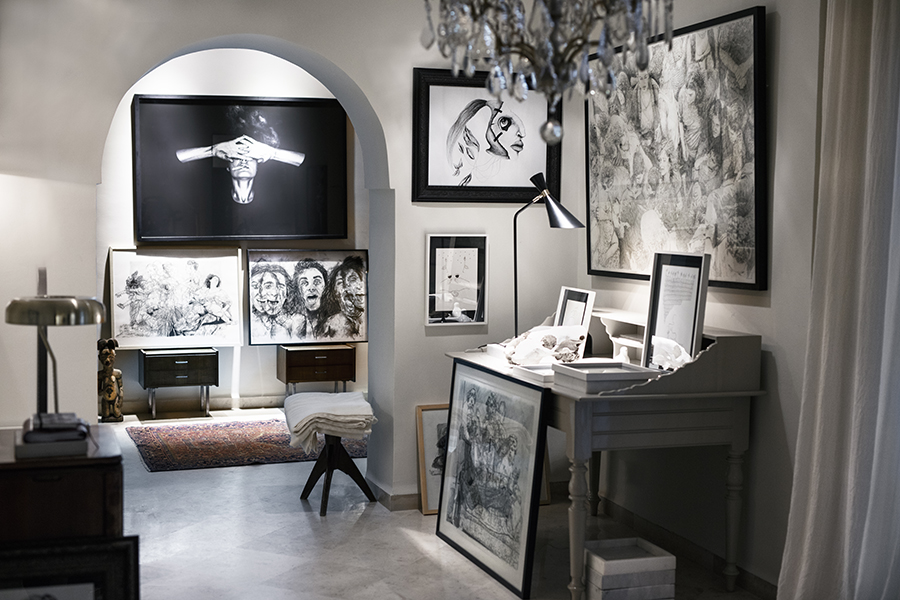
More than an interior design office, La Maison de la Plage became a meeting place for ideas, objects and people. Exhibitions, installations, concerts and artistic collaborations unfolded within a constantly evolving environment.
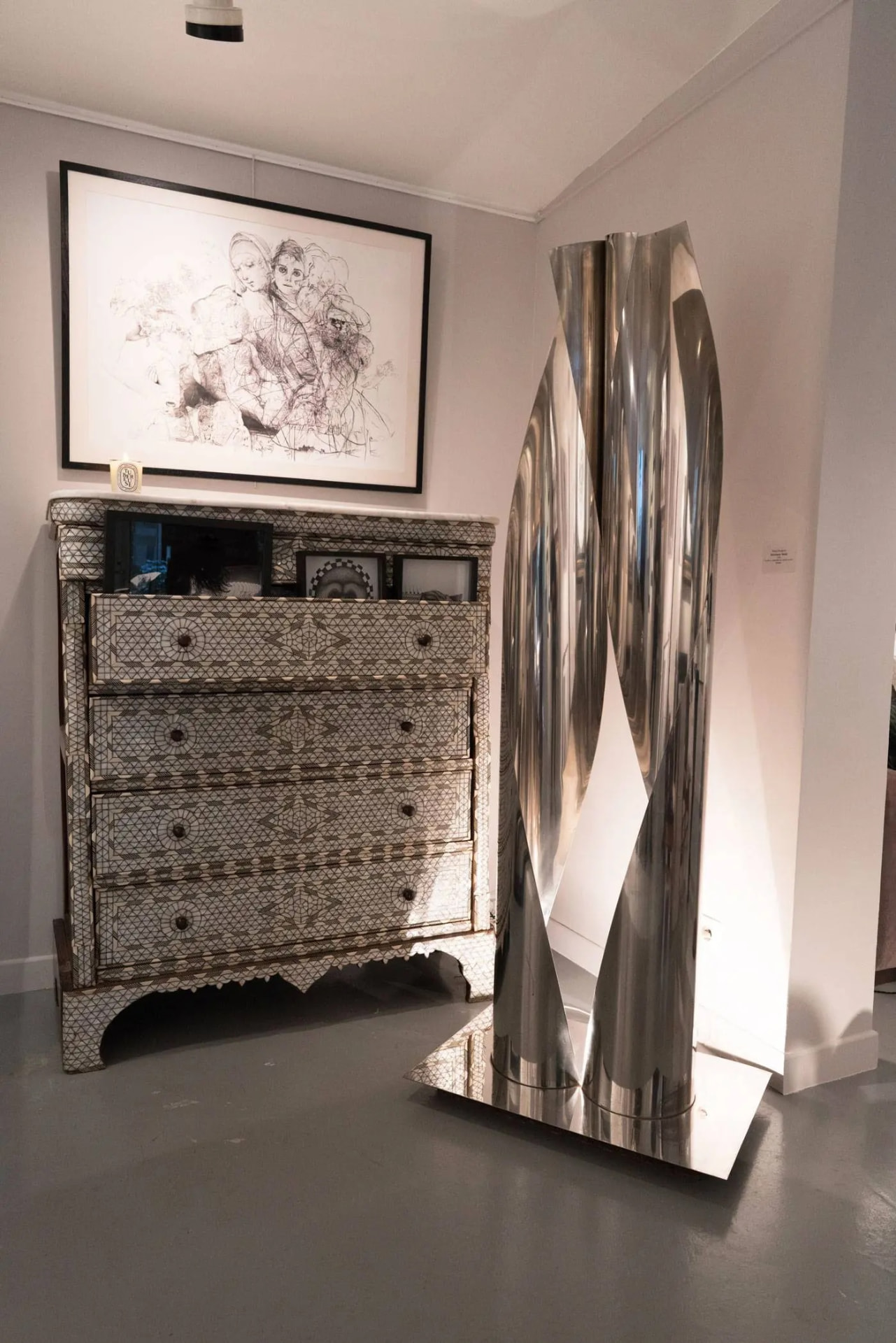
Furniture, artworks, collected objects and discoveries from Hajer's travels formed an eclectic setting, reflecting her approach to design and curation.
02 / THE ARTISTS
A platform for contemporary Tunisian creativity.
At the heart of La Maison de la Plage was a commitment to supporting contemporary Tunisian artistic expression. The project brought together artists working across photography, painting, illustration, drawing, street art, performance and installation, encouraging dialogue between disciplines and creating opportunities for new audiences to discover their work.
03 / EXHIBITIONS & PROJECTS
Beyond the walls of the house.
La Maison de la Plage extended its cultural activities beyond Tunis through exhibitions and international collaborations, introducing contemporary Tunisian artists to audiences abroad.
From Paris to Beirut, these projects brought together different artistic disciplines and created opportunities for cultural exchange.
La Maison de la Plage — Paris2016READ MORE ↗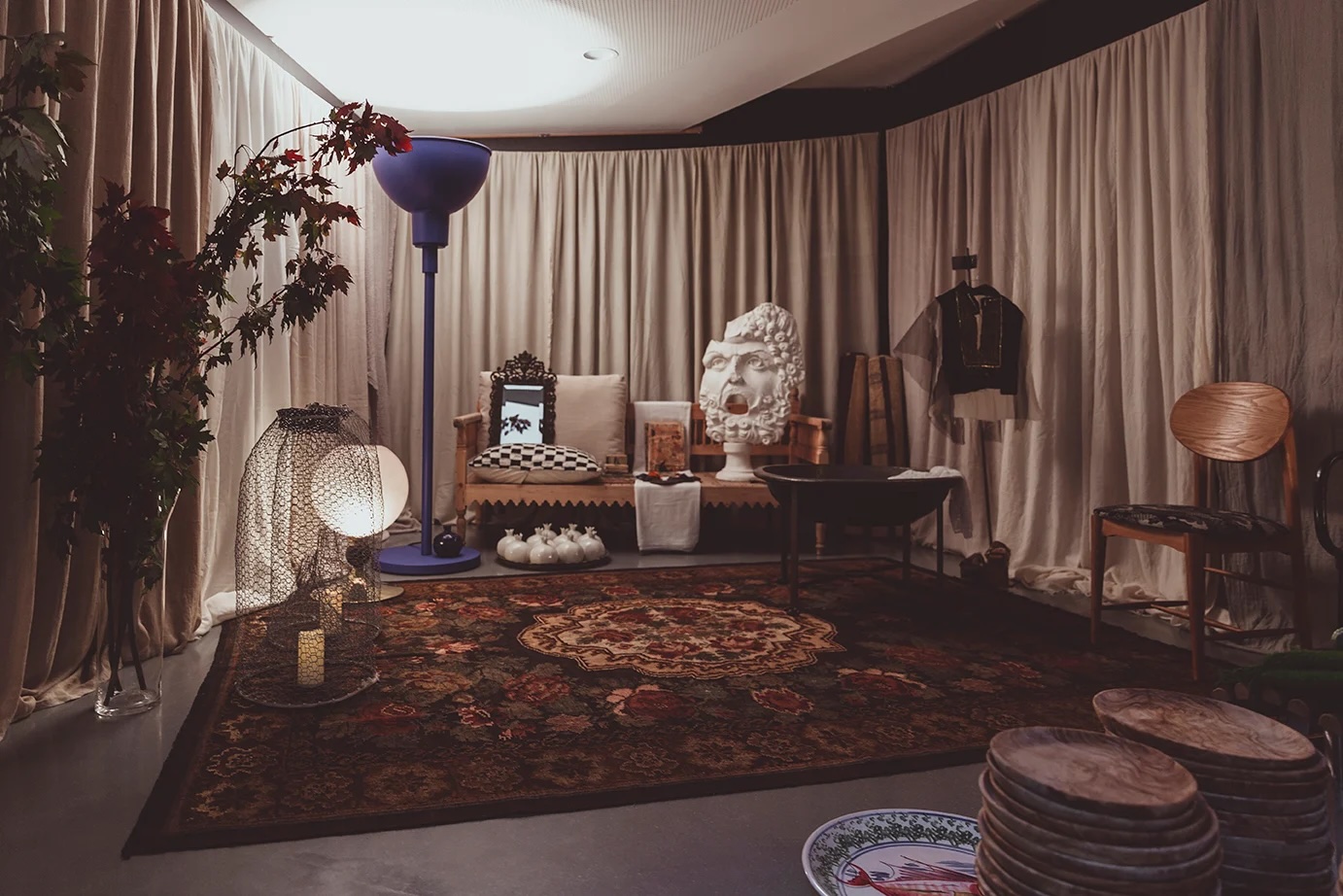 Trajectoires — Fondation Sisley2018READ MORE ↗
04 / VIDEO ARCHIVE
05 / LEGACY
A lasting creative dialogue.
La Maison de la Plage closed in 2020, but its influence continues through Hajer Azzouz's multidisciplinary practice.
More than a gallery or design studio, it represented a way of working: bringing people, objects, artistic disciplines and ideas together without rigid boundaries.
Its legacy lies in the relationships it created, the artists it supported and the belief that a space can become a place for cultural dialogue, experimentation and discovery.